 English
 Italiano
Maison Crivelli: Contemporary Parisian Niche Perfumes
A French maison de parfum founded in Paris by Thibaud Crivelli in 2018, Maison Crivelli translates direct sensory experiences — encounters with raw materials on plantations, extreme landscapes, multisensory memories — into unisex haute parfumerie fragrances that play on the tension between unexpected notes.
History and philosophy
Thibaud Crivelli was born in Paris and spent his childhood between central France and Provence. From 2006 he lived in Asia for nearly a decade, moving through China and other Eastern countries: a period that layered an empirical, firsthand knowledge of perfumery raw materials — encountered in the very places where they grow — onto his Western sensibility. In 2018 he founded Maison Crivelli with the aim of transforming these moments — tasting a bergamot with chilli, sensing burnt sandalwood on the slopes of a volcano — into fragrances capable of genuinely surprising those who wear them.
The project is built around a principle of authenticity: every composition begins with a real encounter with a raw material in its natural state, never with a market trend. Crivelli is not a perfumer, and he says so openly; his role is that of the creative explorer who conveys the lived experience to the noses he collaborates with, seeking a relationship of trust and stylistic affinity rather than a straightforward client–supplier arrangement.
The style
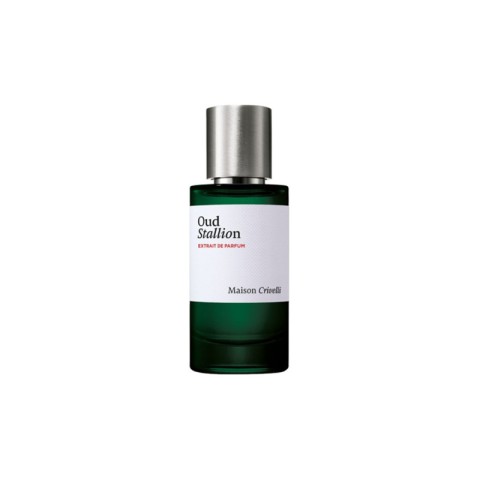
Maison Crivelli's fragrances are offered predominantly in extrait de parfum format, with high concentrations that ensure depth and longevity. The recurring stylistic signature is contrast: citrus against dark resins, milky florals against leather, volcanic woods against polar green notes. Raw materials — patchouli, oud, sandalwood, vetiver, iris — are selected with close attention to supply-chain sustainability. Perfumers involved in collaborations include, among others, Bertrand Duchaufour, Nathalie Feisthauer, Quentin Bisch, Dorothée Piot, and Jordi Fernández.
- Unisex compositions, all in extrait de parfum or eau de parfum, built on the principle of olfactory contrast.
- Raw materials of traceable origin, with a commitment to the sustainable cultivation of patchouli and vetiver.
- Collaborations with perfumers trained in the French classical tradition, each chosen for their affinity with the specific sensory project.
- Flacons with an unfinished zamak cap, each one slightly different from the next, in keeping with the poetics of the unexpected.
- Plastic-free packaging, consistent with the maison's philosophy of respect for raw materials.
Most celebrated fragrances
The catalogue numbers over twenty titles and has grown steadily since the founding year. Among the references most cherished by niche perfumery enthusiasts are:
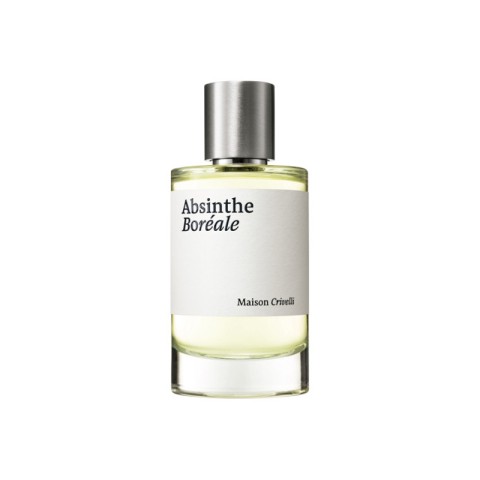
- Absinthe Boréale — an aromatic fougère created by Nathalie Feisthauer; it sets green notes of absinthe and lemon against creamy lavender and musks, inspired by the vision of the Northern Lights.
- Citrus Batikanga — a citrus and spice composition by Bertrand Duchaufour, opening with bergamot and cardamom, moving through pomelo and chilli at the heart, and closing with vetiver and myrrh.
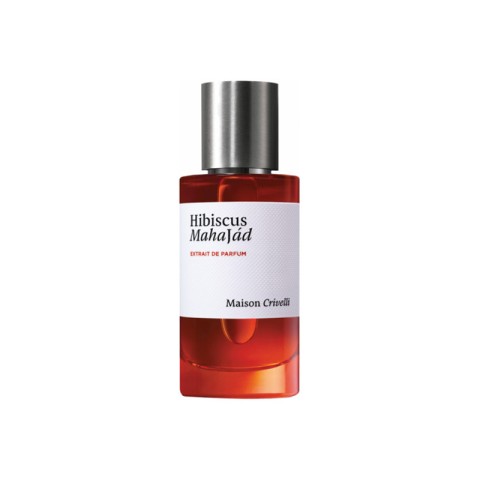
- Hibiscus Mahajád — a floral extrait de parfum by Quentin Bisch; hibiscus, Damascus rose, and vanilla over a base of leather and cinnamon, rich and exceptionally long-lasting.
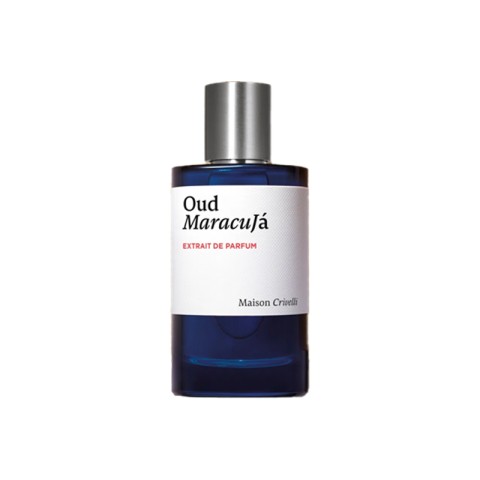
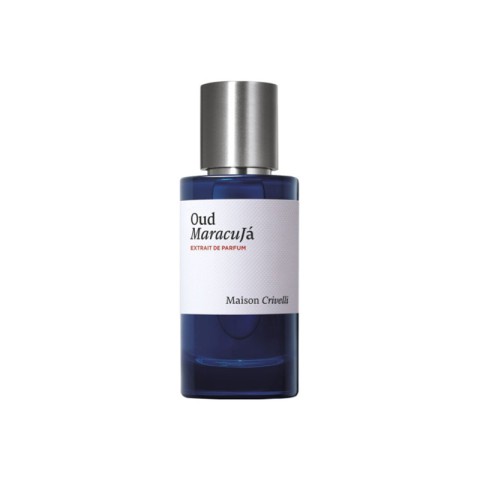
- Oud Maracujá — pairs the luminous pulp of passion fruit with the dark depth of oud, with saffron, patchouli, and amber; one of the maison's most discussed and awarded titles.
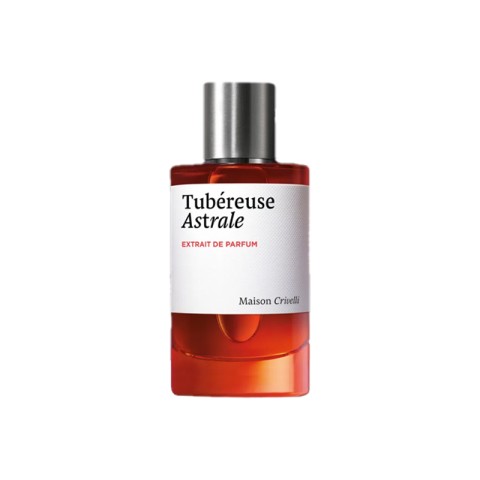
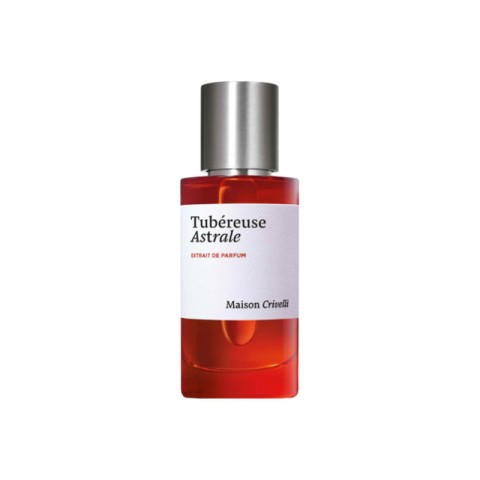
- Tubéreuse Astrale — a sparkling tuberose in dialogue with leather accords and velvety musks, created by Quentin Bisch; offered in a 50 ml extrait de parfum format.