 English
 Italiano
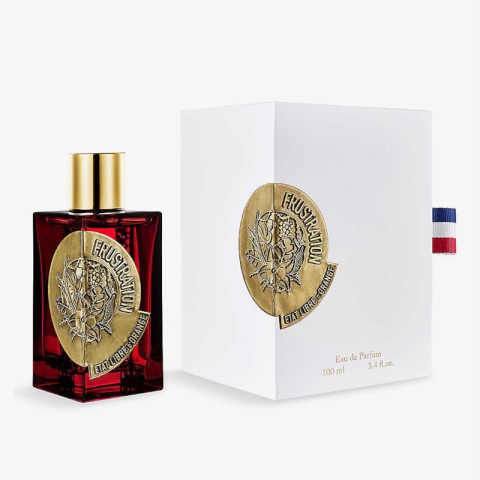
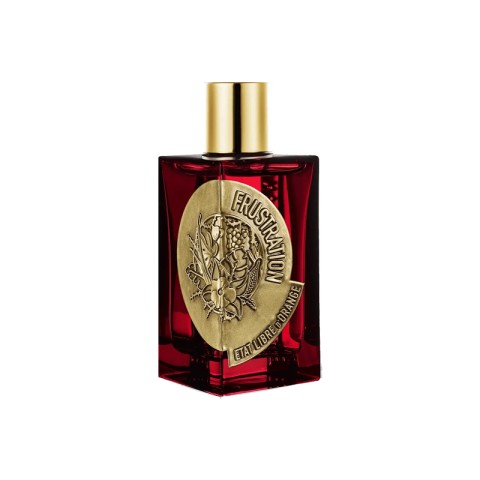
€198.00
€220.00
Etat Libre D'orange: Provocative Artistic Perfumes from Paris
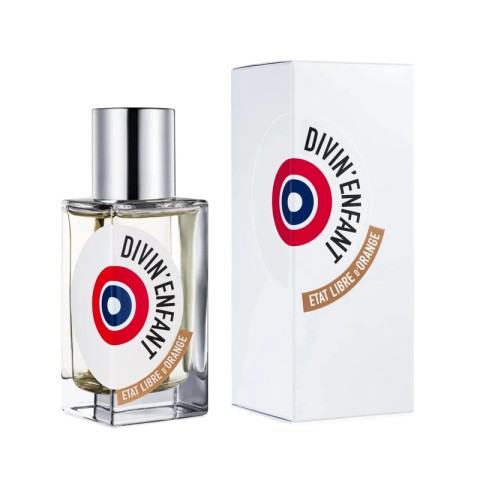
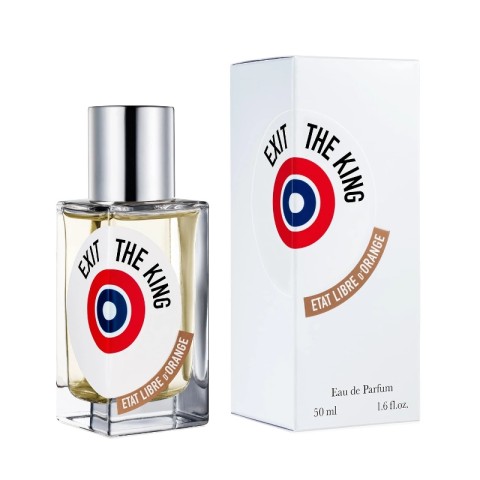
A Parisian perfume house founded in 2006 by Etienne de Swardt, Etat Libre d'Orange has built its identity around absolute creative freedom: gender-free compositions, provocative names, and deliberately uniform flacons. A project that rejects market convention and replaces it with an olfactory declaration of independence.
€135.00
€150.00
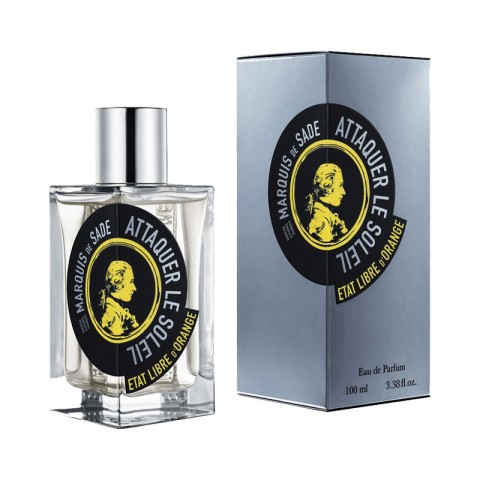
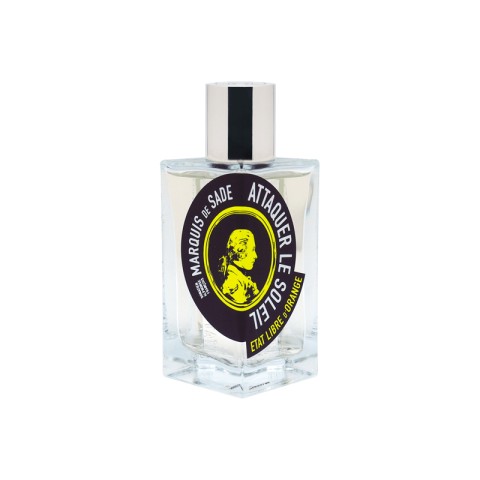
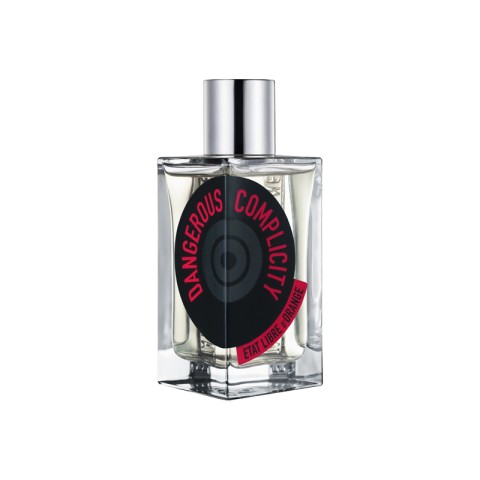
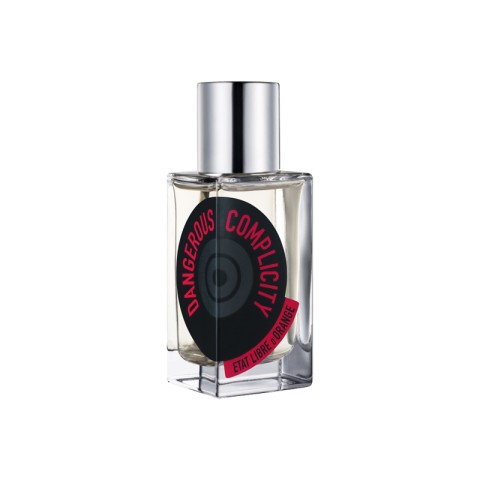
€135.00
€150.00
€88.20
€98.00
€88.20
€98.00
€198.00
€220.00
€121.50
€135.00
€121.50
€135.00
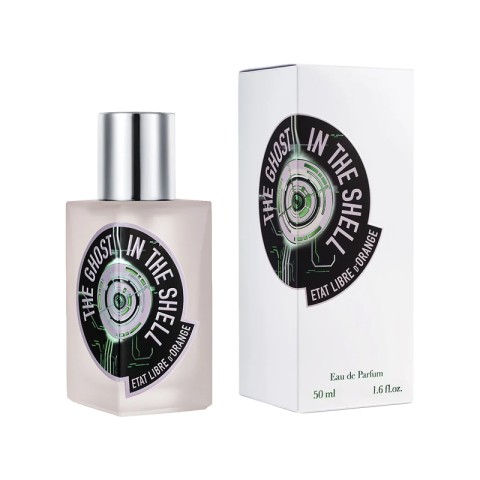
€135.00
€150.00
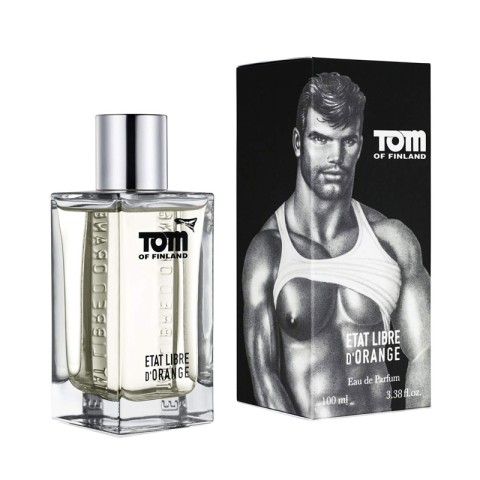
€121.50
€135.00
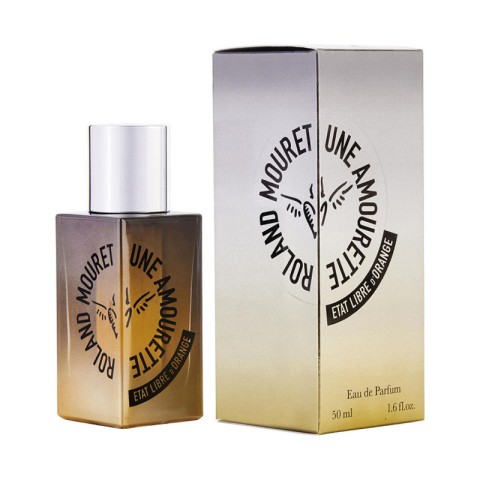
€88.20
€98.00
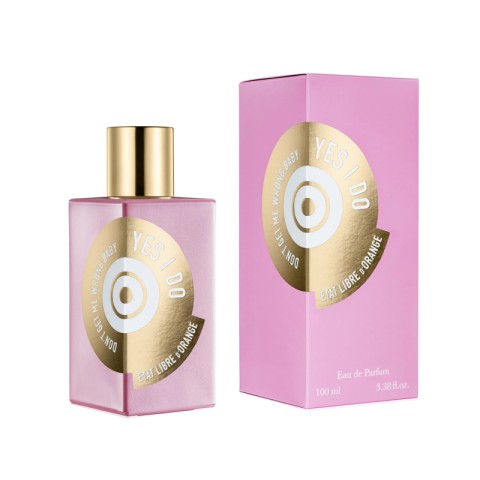
€121.50
€135.00
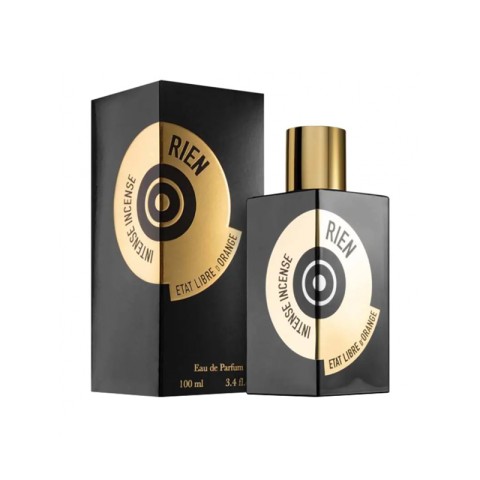
€135.00
€150.00
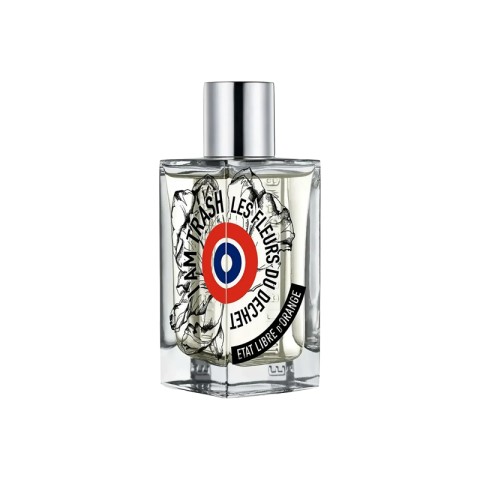
History and philosophy
Etienne de Swardt, born in Pretoria and educated in Paris, founded Etat Libre d'Orange in September 2006 after a long career in commercial perfumery. The name evokes the Orange Free State, the nineteenth-century Boer republic: a reference to sovereignty and self-determination. From the outset, the house established a six-article Declaration of Independence setting out its founding principles: originality, quality raw materials, understated packaging, and a subversive outlook.
De Swardt describes himself as a publisher rather than a creator: he selects the noses, shapes the narrative, and gives the perfumers he commissions complete formulaic freedom. The house motto — Le parfum est mort, vive le parfum! — captures the ambition to rebuild the language of contemporary perfumery from year zero.
The style
All Etat Libre d'Orange fragrances are gender-free and range across widely differing olfactory families — from animalic orientals to green chypres, from gourmands to leather — with no single unifying material thread. The defining characteristic is conceptual: each fragrance begins with a narrative idea, often rooted in eroticism, bodily memory, or popular culture, and is entrusted to highly experienced perfumers including Antoine Lie, Antoine Maisondieu, Mathilde Bijaoui, Quentin Bisch, and Christine Nagel. The ongoing collaboration with graphic studio Ich & Kar establishes a coherent and instantly recognisable visual aesthetic.
- Gender-free compositions presented in uniform flacons that differ only in colour and name, with no gendered hierarchy.
- Provocative titles and explicit imagery conceived as an integral part of the olfactory identity, not mere marketing.
- Collaborations with cultural and performing figures — among them Tilda Swinton and Rossy de Palma — producing fragrances born from genuine creative dialogue.
- Predominantly eau de parfum concentration; a broad range that also includes selected eau de toilette and concentrate formats.
- An editorial approach: De Swardt coordinates the vision while the perfumers work without budgetary constraints or commercial conventions.
The best-known fragrances
The catalogue runs to more than fifty references, several of which have sparked significant debate within niche perfumery for the originality of their materials or the boldness of their concepts.
- Sécrétions Magnifiques — Created by Antoine Lie, it explores accords of milk, blood, and salt in a deliberately unsettling composition that has become a touchstone in discussions about the limits of wearability.
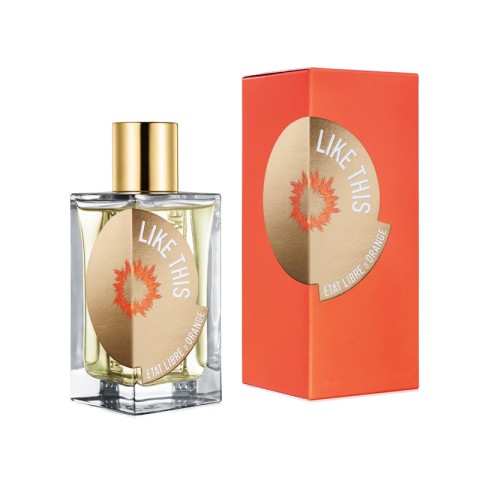
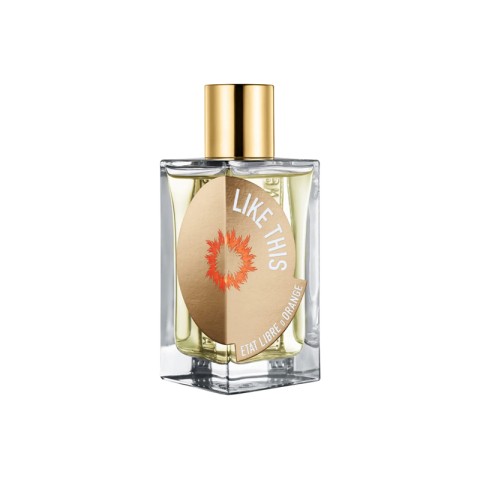
- Tilda Swinton Like This — Made by Mathilde Bijaoui in collaboration with the British actress, it blends pumpkin, ginger, mandarin, and immortelle into a warm, personal oriental inspired by a poem by Rumi.
- Jasmin et Cigarette — Jasmine and tobacco intertwine in a chypre construction that evokes an urban, ambiguous atmosphere.
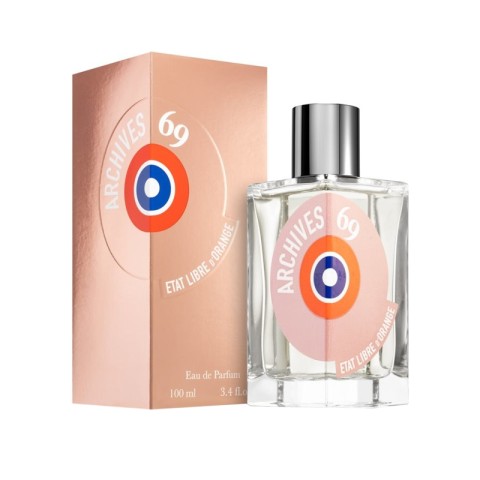
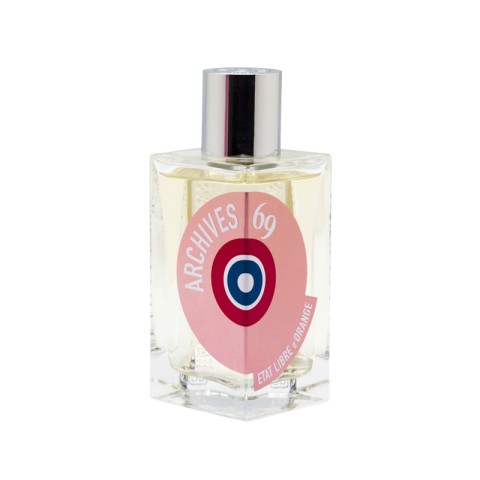
- Archives 69 — Created by Christine Nagel and named after the Marais boutique's address, pink pepper, plum, frankincense, and camphor build a spiced, deeply sensory pyramid.
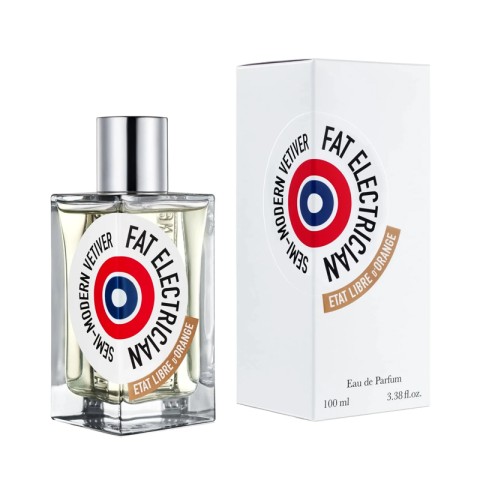
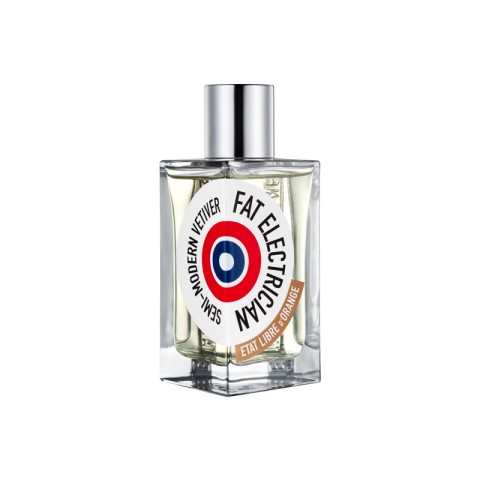
- Fat Electrician (Semi-Modern Vetiver) — A gourmand reinterpretation of vetiver, with ylang-ylang and vanilla softening the earthy root; consistently among the house's most celebrated fragrances.