 English
 Italiano
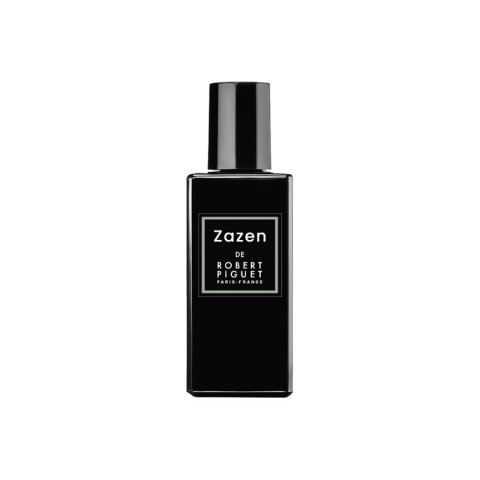
€133.00
Robert Piguet: Historic Parisian Couture Perfumes
A French perfume maison rooted in Parisian haute couture, founded in 1933 by Swiss couturier Robert Piguet. From the 1940s onwards, the brand established an uncompromising olfactory identity in which opulent white florals and leather accords sit alongside a distinctly post-war modernity.
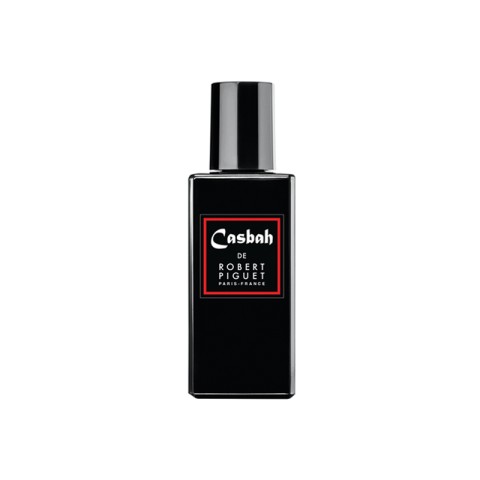
€133.00
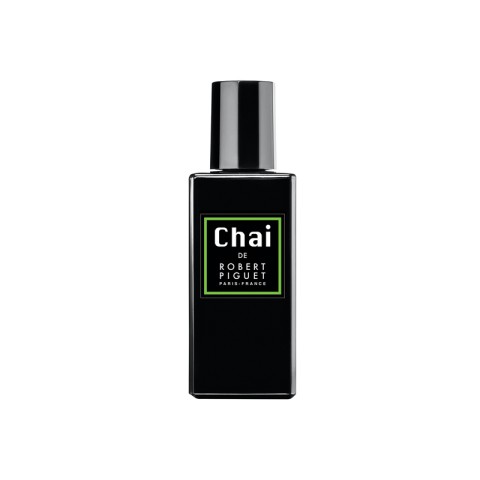
€133.00
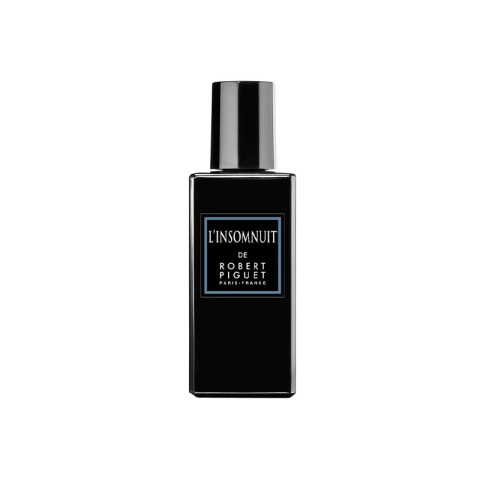
€133.00
€133.00
€133.00
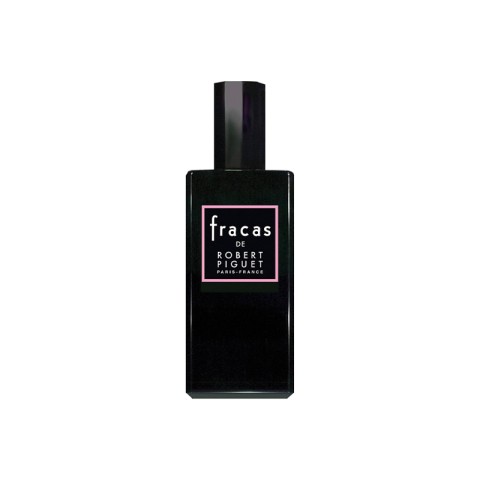
€152.00
€190.00
€133.00
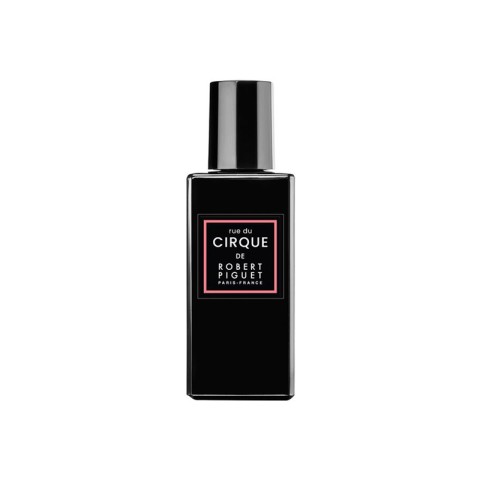
€160.00
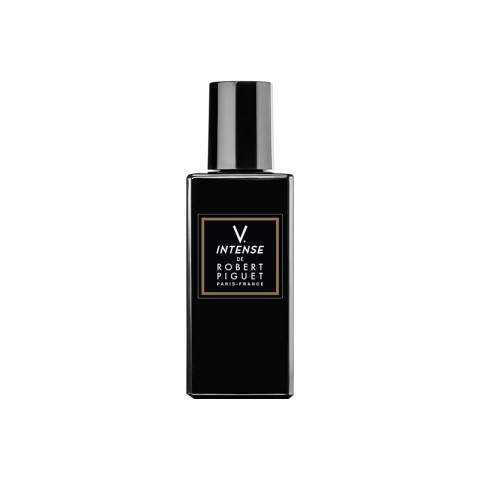
€133.00
History and philosophy
Robert Piguet was born in Yverdon, Switzerland, in 1898 and moved to Paris as a young man to train as a designer, working at the great ateliers of the day. In 1933 he opened his own haute couture maison on the banks of the Seine, which quickly became a touchstone of post-war Parisian elegance. Among his most celebrated collaborators were Christian Dior, Hubert de Givenchy, and Pierre Balmain, each of whom took their first professional steps within the house of Piguet.
In the 1940s, Piguet began working with perfumer Germaine Cellier — one of the first women to establish herself as a nose in formal perfumery — and together they created a series of fragrances that anticipated the olfactory language of the second half of the twentieth century. After Piguet's death in 1953 and the closure of the fashion maison in 1951, the brand continued solely as a perfume house. In the 1990s, ownership passed to Fashion Fragrances & Cosmetics, who launched a revival project faithful to the original formulas, entrusting new creations to nose Aurélien Guichard.
The style
Robert Piguet's signature lies in the boldness of its compositional choices: white florals pushed to excess, sharp leather, densely structured chypres, oriental accords. These fragrances make no attempt at discretion; they work through contrast and intensity, with uncompromising raw materials — tuberose absolute, oakmoss, galbanum, tobacco — selected without concession. The continuity between the historic Cellier repertoire and Guichard's contemporary creations sustains a coherence of tone that spans decades.
- Classic fragrances from the 1940s and 1950s, revisited with modern ingredients whilst remaining true to the original formulas.
- A new contemporary collection launched in 2012, comprising unisex fragrances oriented towards oriental, woody, and powdery olfactory families.
- Recurring accords: leather, tuberose, incense, musks, and the green notes of galbanum.
- Uniform black flacons, a visual signature that unifies the entire range.
The most celebrated products
The Robert Piguet catalogue includes some of the most referenced names in twentieth-century perfumery, alongside contemporary titles that extend the house's vision.
- Fracas (1948) — A white floral by Germaine Cellier, built around tuberose absolute with jasmine, gardenia, and musk; widely regarded as a defining reference point for the entire opulent white floral family.
- Bandit (1944) — A leathery chypre conceived by Germaine Cellier, with galbanum, aldehydes, carnation, and oakmoss; presented alongside a couture collection of deliberately provocative mood.
- Baghari (1950) — The last fragrance created during Piguet's lifetime, reissued in a floral-powdery vein with notes of iris and musk.
- Casbah — A spiced oriental from the contemporary collection, with nutmeg, incense, and tobacco; evoking the atmosphere of North African souks.
- Mademoiselle Piguet (2012) — A delicate floral by Aurélien Guichard, centred on orange blossom with almond, apricot, and tonka; a modern interpretation of the maison's floral sensibility.