 English
 Italiano
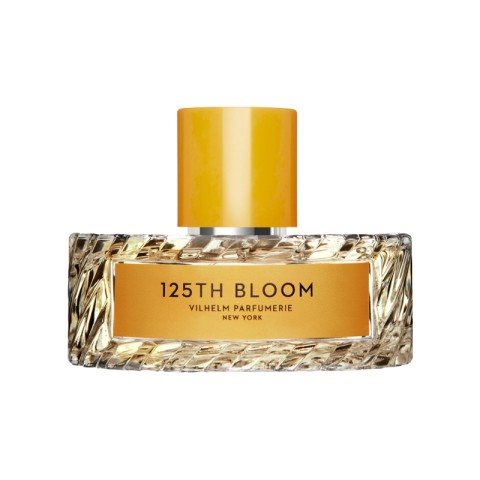
€140.00
€175.00
Vilhelm Parfumerie: Niche Perfumes from New York
A niche maison founded in 2015 by Jan Vilhelm Ahlgren — Swedish by heritage, New York by spirit — creating its eaux de parfum in Paris. Every fragrance is built as an olfactory narrative: a biographical or imagined moment rendered in contemporary accords of rare precision.
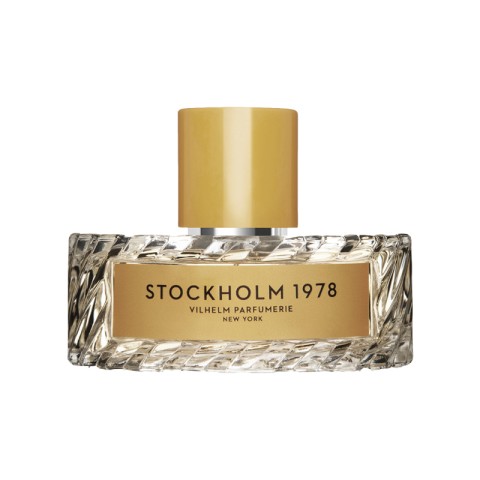
€140.00
€175.00
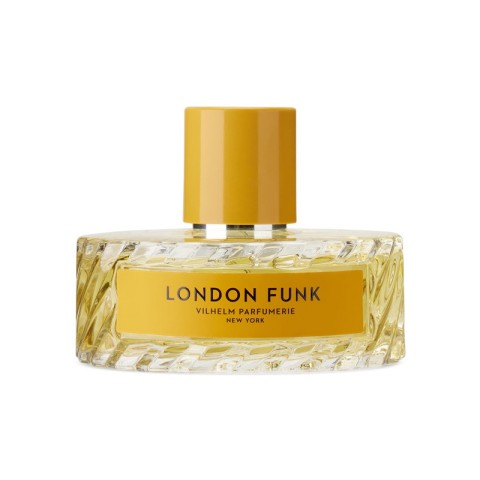
€140.00
€175.00
€200.00
€250.00
€140.00
€175.00
€140.00
€175.00
€140.00
€175.00
€140.00
€175.00
€140.00
€175.00
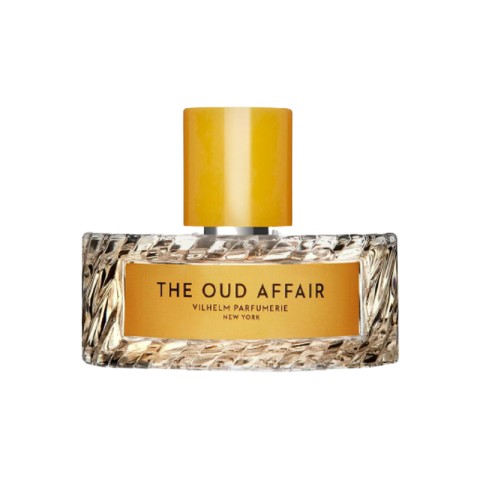
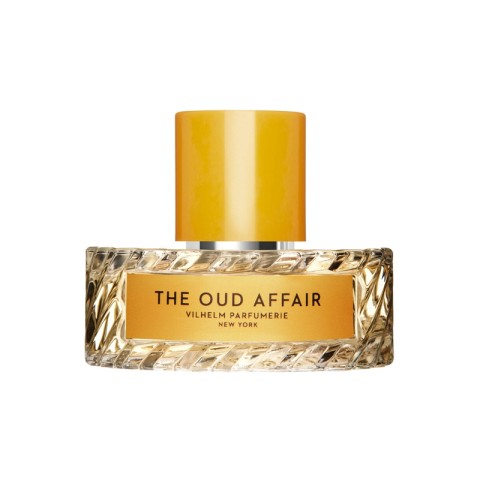
€140.00
€175.00
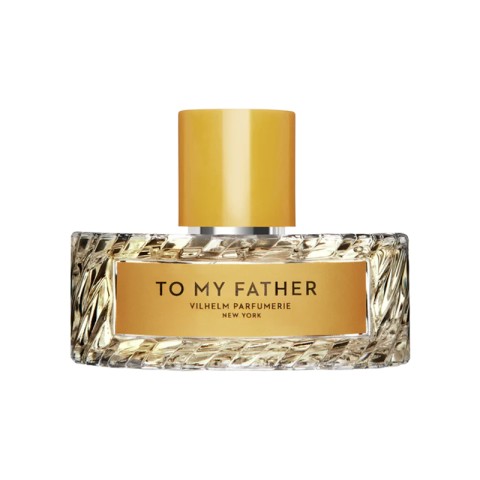
€140.00
€175.00
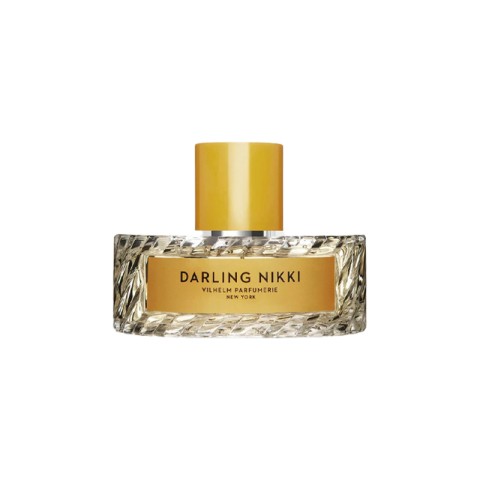
€200.00
€250.00
History and philosophy
Vilhelm Parfumerie was born in 2015 from the vision of Jan Vilhelm Ahlgren, a former model and leathergoods designer of Swedish origin who had made his home in New York. His introduction to perfumery came by an artisanal route: searching for a scent to press into the leather of his own bags, Ahlgren came into contact with nose Jérôme Épinette, a collaboration that quickly grew into an independent project devoted to fine fragrance. The maison's name is a tribute to the founder's grandfather, an elegant figure who wore a bespoke perfume every day and who passed on to Ahlgren a deep appreciation for classical aesthetics.
The house philosophy rests on the idea that every perfume is, above all, a story: a childhood memory, a journey, an encounter, an emotional season. The compositions emerge from a collaborative creative process involving perfumers trained in the classical French tradition, with the aim of producing fragrances capable of stirring recognition without tipping into the merely familiar. The bottles, designed by Pierre Dinand, bear a saffron-yellow label inspired by a fragment of Bakelite discovered at a Parisian flea market.
The style
Vilhelm Parfumerie's fragrances are predominantly unisex eaux de parfum, created in Paris in collaboration with Jérôme Épinette, Bertrand Duchaufour, and Marc-Antoine Corticchiato. The shared stylistic hallmark is controlled contrast: bright, contemporary openings that resolve into deep, textured drydowns. The palette of raw materials ranges from Nordic teas and fruits to the warm, resinous ingredients of the oriental tradition, always underpinned by a rigorous compositional structure.
- Fragrances built around a biographical or mythical story, with explicit programme notes for every title.
- Accords that move between Nordic freshness and oriental warmth, often anchored by an unusual central material at the heart of the composition.
- A consistently unisex approach: no gender distinction in either communication or olfactory structure.
- A coherent visual aesthetic: blown-glass bottle, contrasting stopper, and vintage labelling evoking the 1930s and 1940s.
- Thematic collections such as the 2025 Triptych Collection, which explores variations on a shared accord of osmanthus, immortelle, and dusty leather.
Best-known products
The range spans more than thirty references; the titles below have done most to define the maison's olfactory identity.
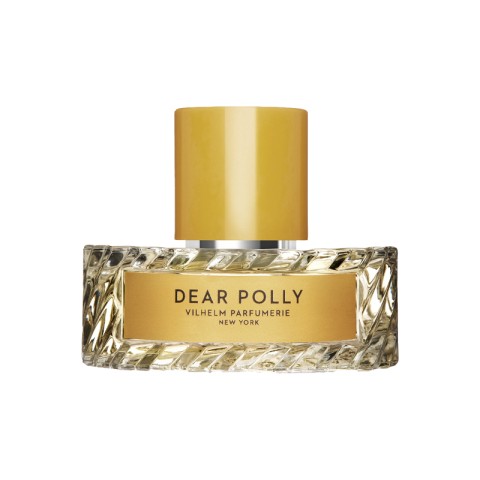
- Dear Polly — An aromatic eau de parfum launched in 2015, opening with bergamot and apple, moving through a heart of Ceylon black tea, and settling on a base of musk, black amber, and oakmoss. Created by Jérôme Épinette as a tribute to the founder's wife, it is considered the signature of the house.
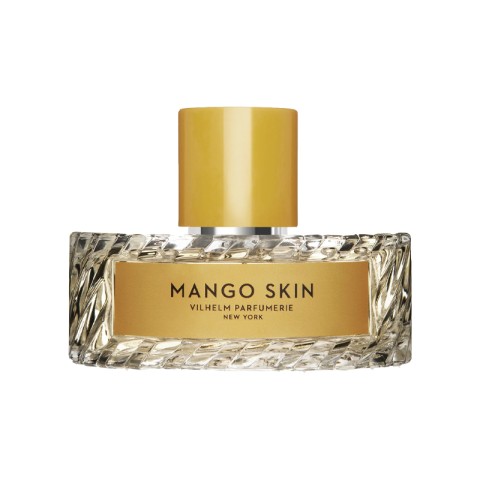
- Mango Skin — A fruity-floral eau de parfum from 2018, signed by Jérôme Épinette. Mango, blackberry, and black pepper open onto a heart of iris, jasmine, and lotus, with a base of vanilla and patchouli. One of the most talked-about pairings in the catalogue.
- Poets of Berlin — An oriental eau de parfum from 2018, again by Épinette. Blueberry and lemon introduce a heart of bamboo and iris; vetiver and sandalwood in the base lend depth and longevity. Inspired by David Bowie's Berlin Trilogy.
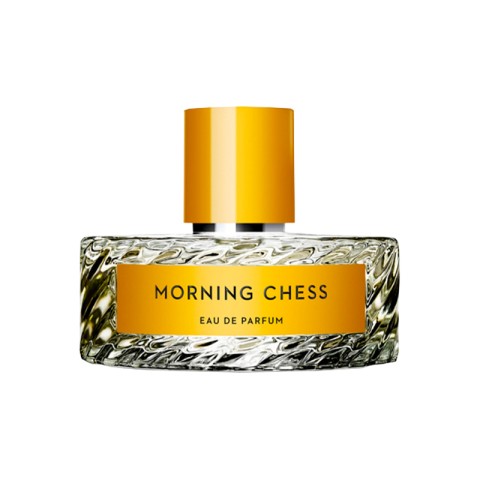
- Morning Chess — A floral-woody eau de parfum among the most cited by the fragrance community, built on an accord of iris, musk, and pale woods that embodies the maison's minimalist aesthetic.
- Faces of Francis — An oriental-vanillic eau de parfum from 2023, signed by Bertrand Duchaufour. Saffron and aldehydes lead the top; pistachio, driftwood, and juniper form the heart; oud, ambergris, and cypriol anchor the base.